Common Misconceptions About Using Local Landscape Materials


Understanding Local Landscape Materials
When it comes to landscaping, the materials you choose can significantly impact the aesthetic and functionality of your outdoor space. Many homeowners are turning to local landscape materials as a sustainable and cost-effective option. However, there are several misconceptions about using these materials that may deter people from exploring their benefits.
Local landscape materials refer to resources sourced from your region, including rocks, soil, plants, and mulch. Utilizing these materials can enhance the natural beauty of your space while supporting local businesses. Let’s delve into some common misconceptions about using local landscape materials.
Misconception 1: Limited Variety
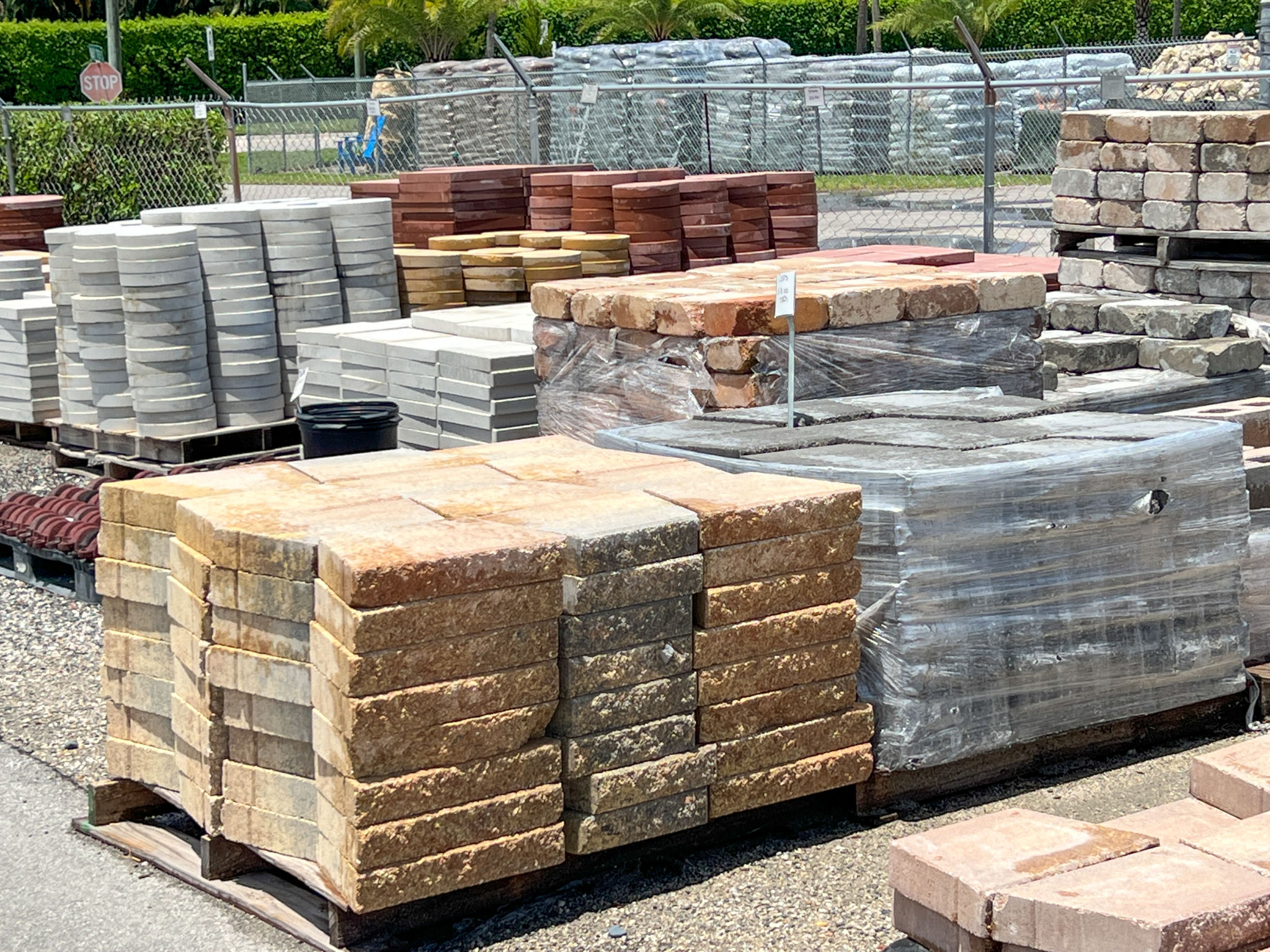
One of the most prevalent misconceptions is that local landscape materials offer limited variety. In reality, many regions boast a diverse range of options. From different types of stones and gravel to a variety of native plants, the possibilities are often more extensive than expected. By working with local suppliers, you can discover unique materials that are well-suited to your climate and soil conditions.
Additionally, opting for native plants means choosing species that are naturally adapted to your area, which often results in lower maintenance requirements. This selection can also enhance biodiversity in your garden, attracting local wildlife such as birds and butterflies.
Misconception 2: Poor Quality
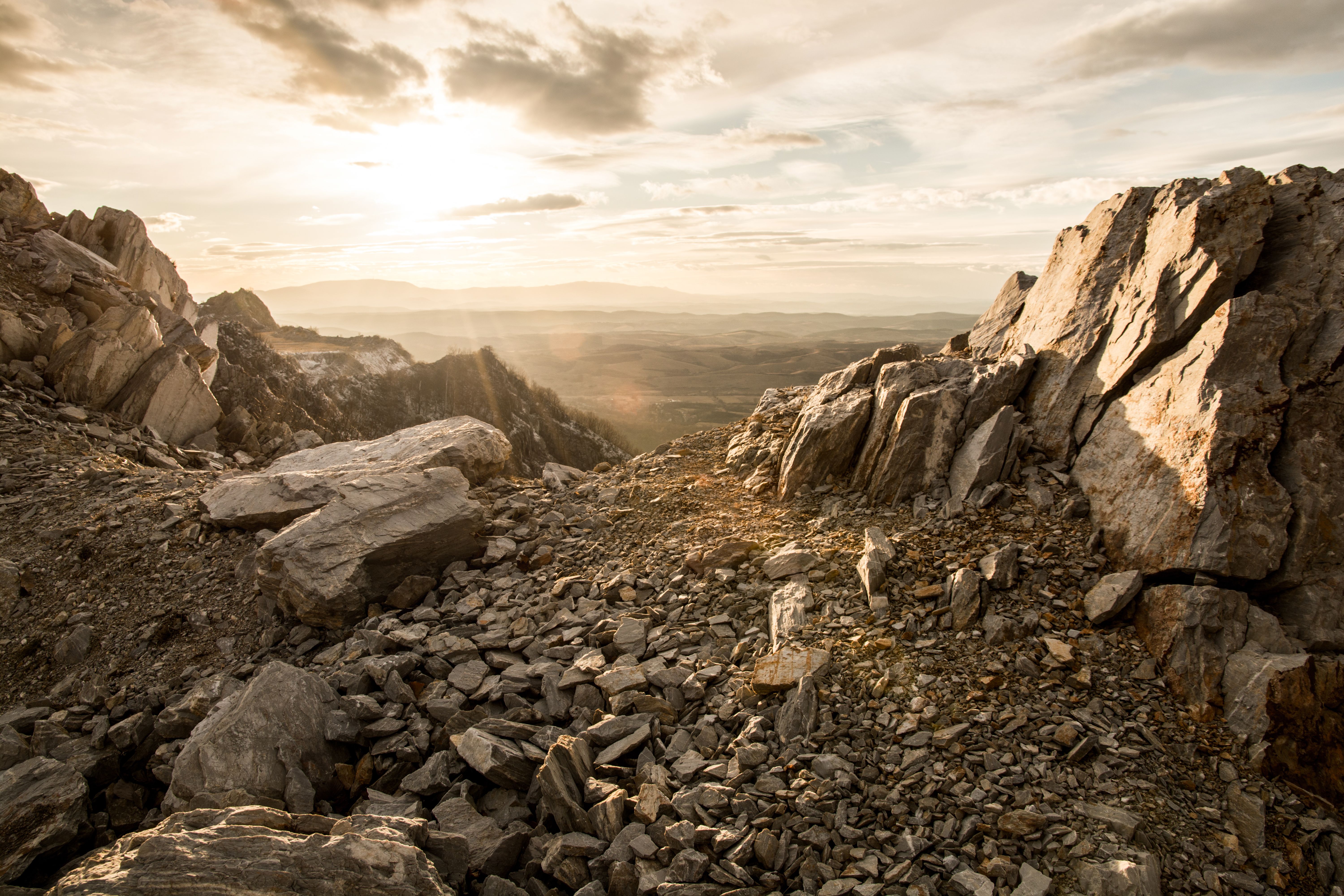
Another common belief is that local materials are of inferior quality compared to imported alternatives. This couldn't be further from the truth. Local landscape materials are typically chosen for their resilience and compatibility with the local environment. For instance, native stones and rocks are often more durable, as they have withstood local weather conditions for centuries.
Furthermore, purchasing from reputable local suppliers often ensures that you receive high-quality materials. These professionals understand the specific needs of your region and can offer expert advice on material selection and installation.
Misconception 3: Higher Costs
Some people assume that using local materials is more expensive than opting for mass-produced or imported options. While initial costs can sometimes be higher due to lower economies of scale, the long-term savings are significant. Local materials reduce transportation costs and often result in less maintenance due to their suitability for the environment.
Moreover, investing in local materials supports the regional economy, creating jobs and fostering community development. This aspect can be a rewarding consideration for those looking to make environmentally and socially responsible choices.

Misconception 4: Not Aesthetically Pleasing
There is a notion that local landscape materials may not achieve the desired aesthetic appeal. On the contrary, these materials can create landscapes that blend seamlessly with their surroundings. By using local stones, plants, and other elements, you can craft a design that feels organic and harmonious with the natural environment.
Creativity plays a crucial role here. With the right design approach, you can use local materials to reflect personal style while maintaining visual appeal. Combining different textures and colors can result in a unique landscape that stands out while still feeling connected to its environment.
Conclusion
In summary, the misconceptions surrounding local landscape materials often stem from a lack of awareness about their benefits and versatility. By choosing locally sourced options, you can enjoy a beautiful, sustainable landscape that supports your community and thrives in your region's climate. The next time you're considering a landscaping project, don't shy away from exploring the rich variety of local resources available to you.