Common Misconceptions About Sustainable Aggregates: Myth-Busting Guide


Understanding Sustainable Aggregates
In recent years, the construction industry has seen a growing emphasis on sustainability, particularly when it comes to the use of aggregates. However, there are several misconceptions that surround sustainable aggregates. By debunking these myths, we can better understand their benefits and potential impacts.
Myth 1: Sustainable Aggregates Are Lower Quality
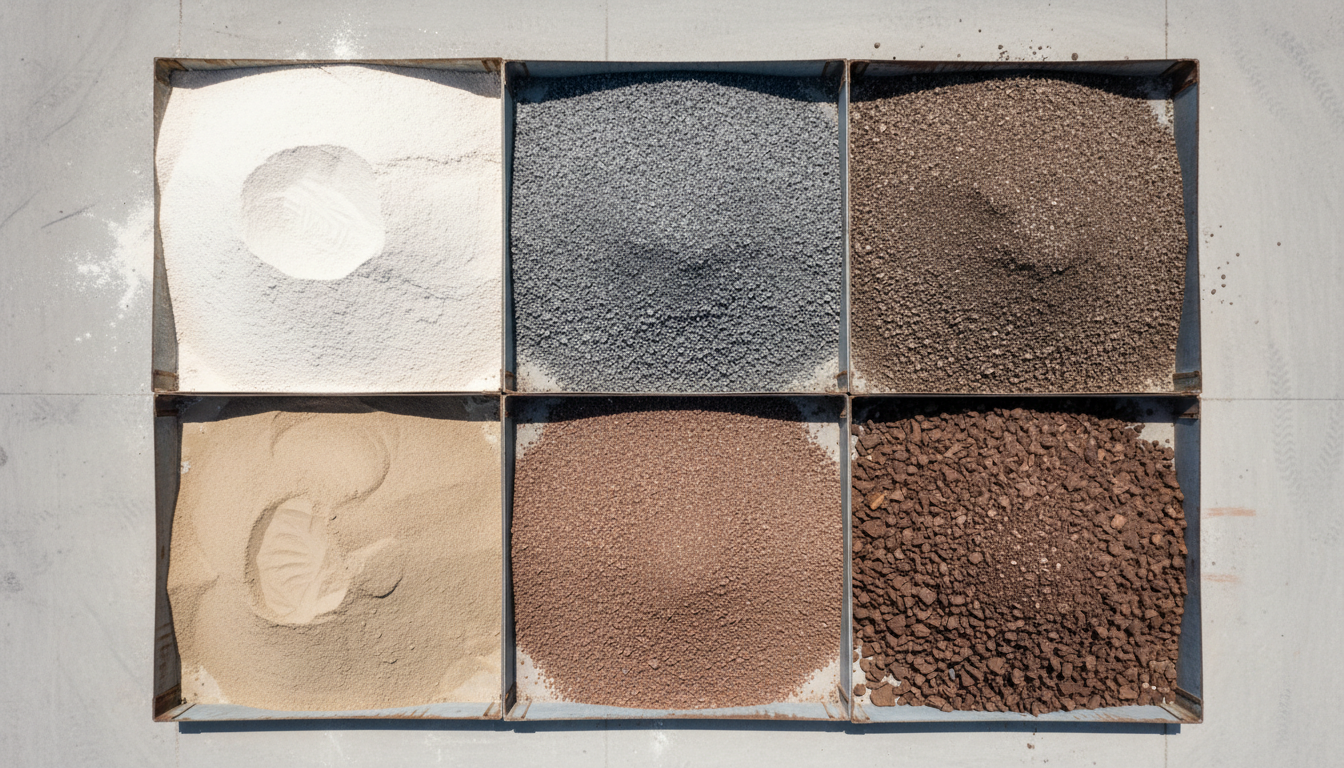
A common misconception is that sustainable aggregates are of inferior quality compared to traditional aggregates. In reality, sustainable aggregates undergo rigorous testing and quality control to meet industry standards. They offer comparable performance and durability, ensuring that projects built with these materials are safe and long-lasting.
It's essential to recognize that sustainable aggregates can be sourced from recycled materials or environmentally responsible quarries. These sources are carefully managed to maintain high quality, dispelling the myth that sustainability equals compromise.
Myth 2: They Are More Expensive
Another prevalent myth is that sustainable aggregates come with a higher price tag. While the initial cost may sometimes be higher due to sourcing and processing, the long-term benefits often outweigh these costs. Sustainable aggregates can contribute to reduced waste, lower transportation expenses, and improved energy efficiency during production.

Additionally, using sustainable materials can lead to financial incentives or tax breaks, making them a cost-effective choice in the long run. Considering the full lifecycle costs, sustainable aggregates often prove to be a wise investment.
Myth 3: Limited Availability
Some believe that sustainable aggregates are not readily available, limiting their use in construction projects. However, the market for sustainable materials is rapidly growing, with more suppliers offering eco-friendly options than ever before.
Many regions now have access to a variety of sustainable aggregates, including recycled concrete, glass, and industrial by-products, providing ample resources for construction needs.
Myth 4: Sustainability Doesn't Impact the Environment Significantly
There's a misconception that using sustainable aggregates doesn't make a significant environmental impact. On the contrary, sustainable aggregates can greatly reduce the carbon footprint of construction projects. They help conserve natural resources, minimize waste, and lower greenhouse gas emissions.
The use of recycled and responsibly sourced materials supports a circular economy, promoting environmental stewardship and reducing the overall impact on the planet.
Conclusion: Embracing Sustainable Aggregates
By debunking these common myths, it's clear that sustainable aggregates offer numerous benefits without compromising quality or availability. As the industry continues to innovate, embracing these eco-friendly materials can lead to more sustainable and responsible construction practices.
Understanding the truth about sustainable aggregates encourages their broader adoption, paving the way for a greener and more sustainable future in construction.