Common Misconceptions About Landscaping Rocks and Aggregates


Understanding Landscaping Rocks and Aggregates
Landscaping rocks and aggregates can transform outdoor spaces, adding both aesthetic value and functionality. However, several misconceptions surround their use, leading to confusion for homeowners and landscapers alike. Let's debunk some of these myths and provide clarity on the topic.
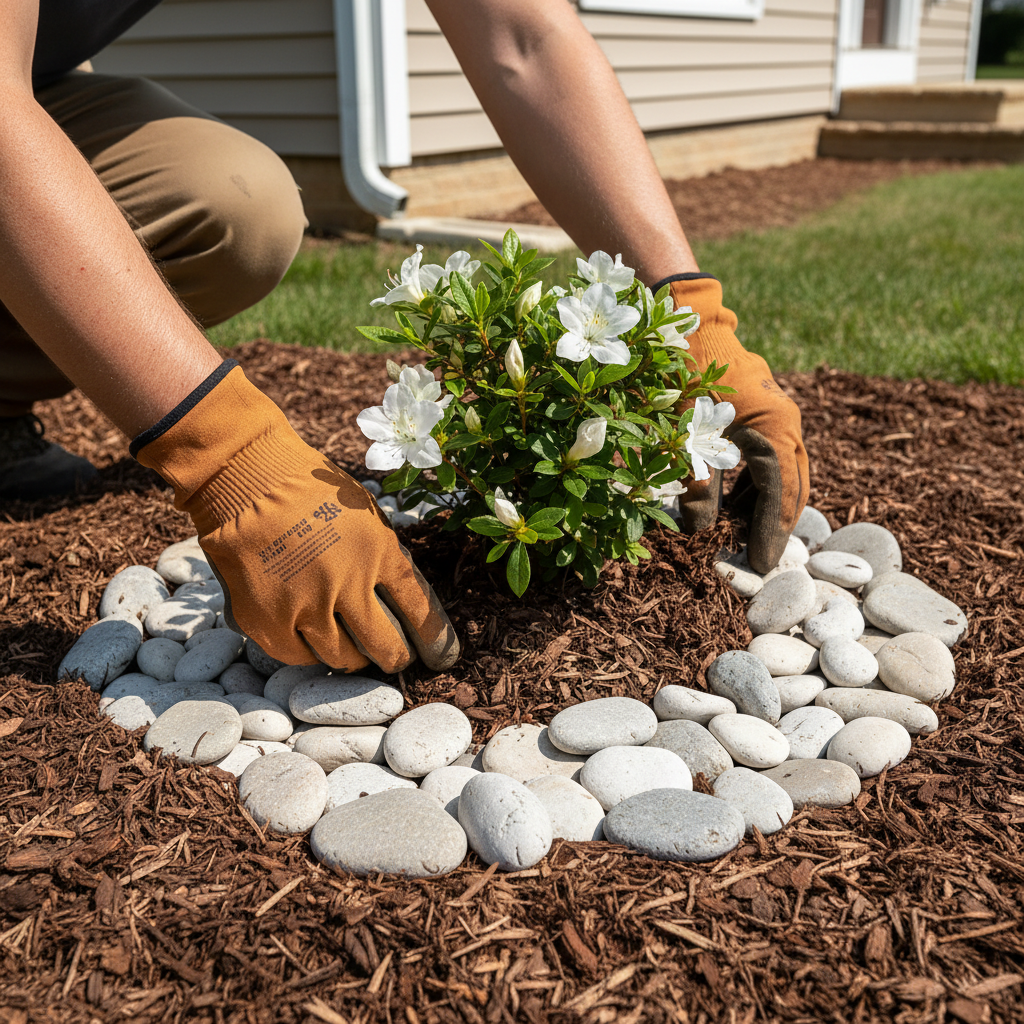
Misconception 1: Rocks Are Just for Decoration
While it's true that landscaping rocks add visual appeal, they serve multiple purposes beyond decoration. Rocks can be used for drainage solutions, erosion control, and creating pathways. Their versatility makes them an essential component in landscape design.
For instance, using rocks in a drainage system can prevent water pooling and protect plant roots from excessive moisture. Similarly, gravel pathways offer a practical and low-maintenance alternative to traditional walkways.
Misconception 2: All Aggregates Are the Same
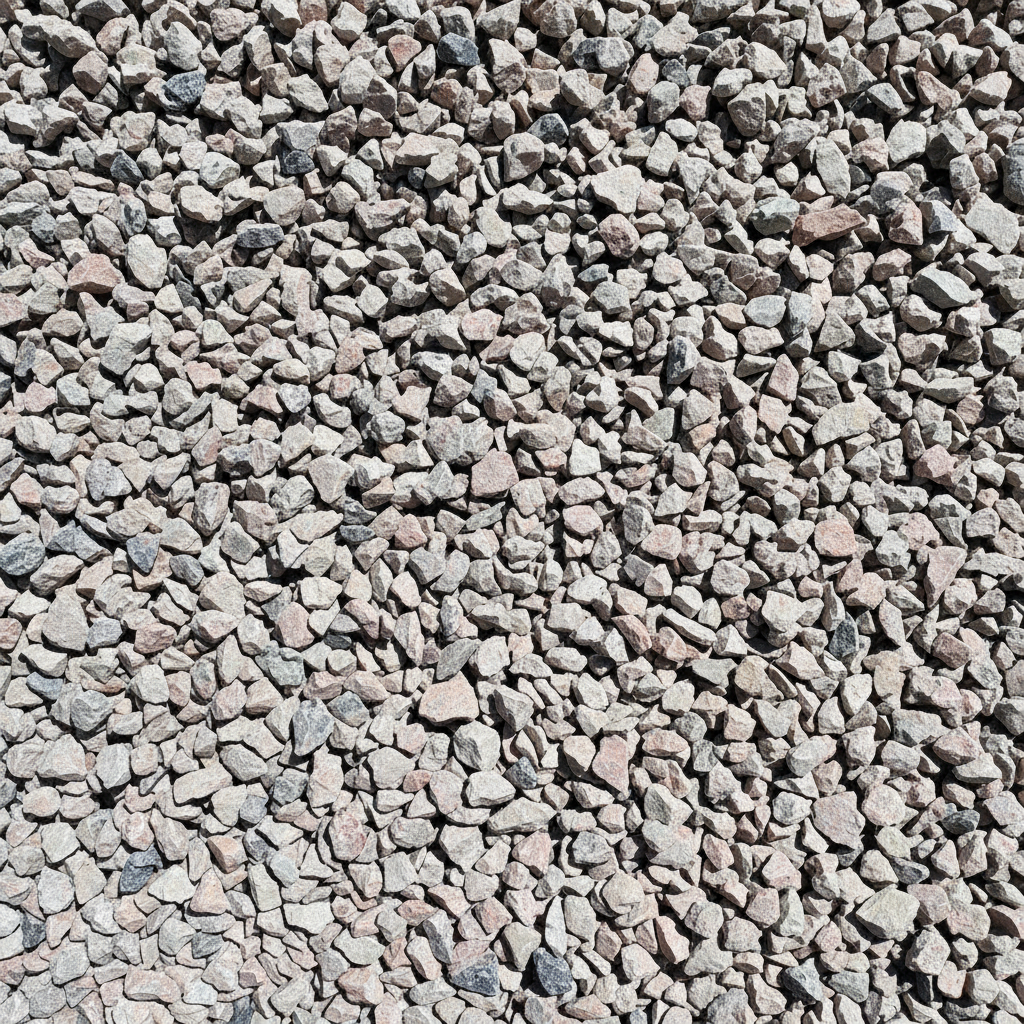
Another common misconception is that all aggregates are identical. In reality, aggregates come in a variety of sizes, shapes, and materials, each serving a unique purpose. From pea gravel to crushed stone, each type offers different benefits.
- Pea Gravel: Smooth and small, ideal for walkways and driveways.
- Crushed Stone: Larger and more angular, perfect for construction projects and drainage systems.
- River Rocks: Rounded and polished, suitable for decorative accents and water features.
Misconception 3: Rocks Are Bad for Plants
Some believe that rocks can harm plants by preventing growth and increasing soil temperature. However, when used correctly, rocks can benefit plant health. Mulching with rocks can suppress weeds, conserve soil moisture, and even regulate temperature.
It's crucial to choose the right type of rock and ensure proper placement to avoid any negative impact on plants. By doing so, rocks can enhance the garden's health while adding a layer of beauty.
Choosing the Right Rocks for Your Landscape
To maximize the benefits of landscaping rocks and aggregates, it's essential to select the right type for your specific needs. Consider the purpose, aesthetics, and environmental factors before making a choice.
- Identify the primary function: drainage, pathway, decoration, etc.
- Consider the aesthetic appeal and how it complements your landscape design.
- Assess the environmental impact and maintenance requirements.
Conclusion
By understanding the true potential of landscaping rocks and aggregates, you can create a more functional and beautiful outdoor space. Don't let misconceptions limit your landscape's potential. Explore the variety and versatility of these natural elements to enhance your garden and outdoor areas.