Case Study: Transforming a Local Yard Using Sustainable Landscaping Materials


Introduction to Sustainable Landscaping
In recent years, sustainable landscaping has gained significant attention as homeowners become more environmentally conscious. This approach not only enhances the aesthetic appeal of outdoor spaces but also contributes positively to the environment. In this case study, we explore the transformation of a local yard using sustainable landscaping materials and practices.
The Initial Assessment
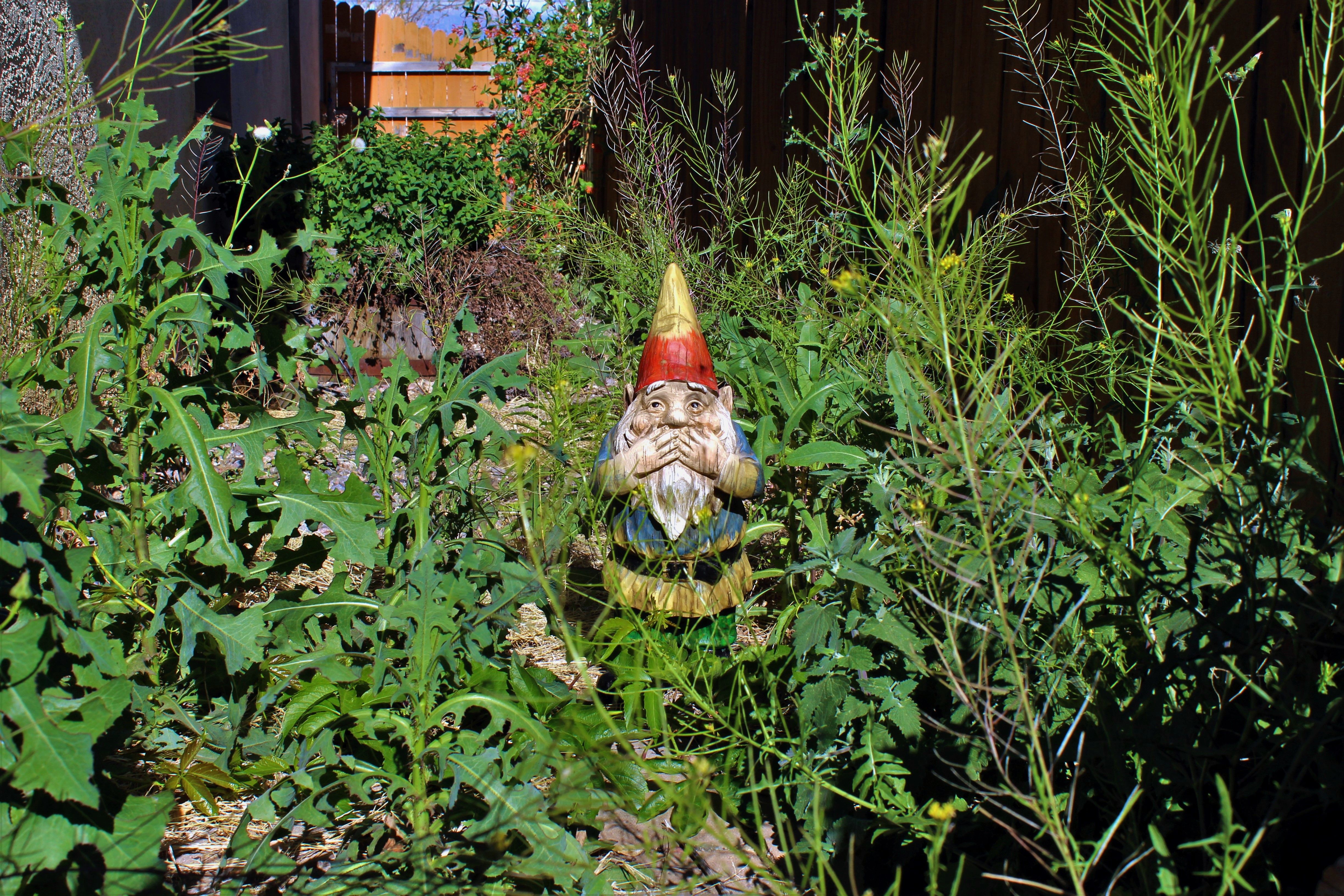
The project began with a thorough assessment of the existing landscape. The yard was typical of many suburban homes, featuring a conventional lawn with high water and maintenance requirements. The homeowner's primary goals were to reduce water usage, decrease maintenance efforts, and create a more eco-friendly outdoor space.
Choosing Sustainable Materials
One of the first steps in the transformation was selecting appropriate materials. The focus was on natural and recycled materials that would blend seamlessly with the environment. Key materials included:
- Permeable Pavers: These pavers allow rainwater to seep through, reducing runoff and promoting groundwater recharge.
- Recycled Wood: Used for decking and raised garden beds, offering durability and a rustic charm.
- Native Plants: Chosen for their low water needs and ability to thrive in local conditions.
These choices not only supported sustainability but also added unique textures and colors to the landscape.
Designing with Nature in Mind
The design phase emphasized working with the natural contours and features of the yard. This approach minimized the need for extensive reshaping or grading, preserving the existing ecosystem. Key design elements included:
- Xeriscaping: Incorporating drought-resistant plants to further reduce water usage.
- Rain Gardens: Designed to capture and filter rainwater, enhancing biodiversity.
- Compost Areas: Established to recycle garden waste into nutrient-rich soil amendments.

Implementing the Transformation
With the design finalized, implementation began. The process included removing sections of traditional lawn and integrating new plantings and materials. Careful attention was paid to soil health, ensuring that all plants had the best possible conditions for growth. Drip irrigation systems were installed to further conserve water.
The use of local resources and labor not only supported the community but also reduced the carbon footprint associated with transportation.
The Final Results and Benefits
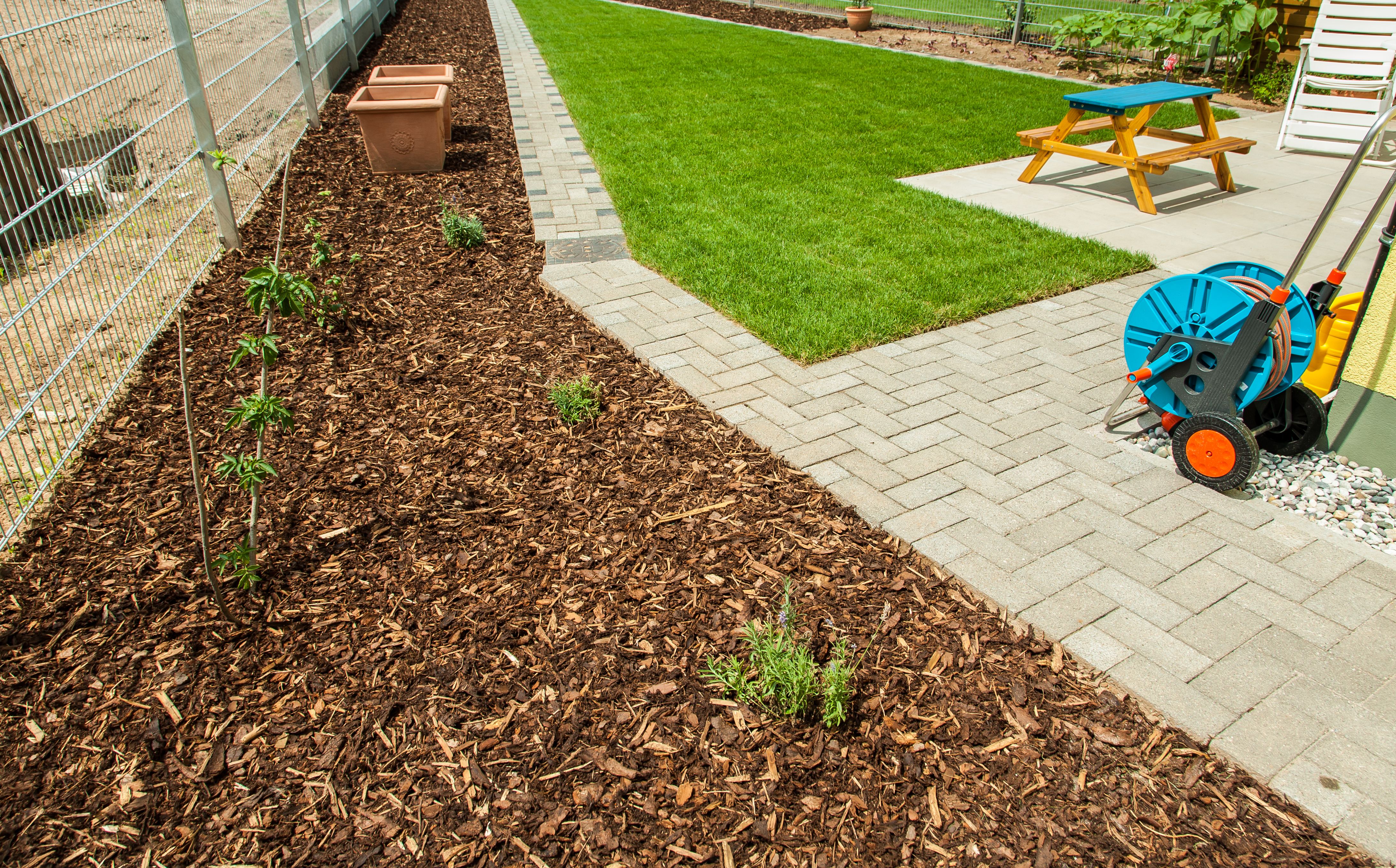
The transformed yard now stands as a testament to the power of sustainable landscaping. The once thirsty lawn has been replaced with a vibrant tapestry of native plants, permeable pathways, and inviting spaces for relaxation. The benefits are clear:
- Water Conservation: A significant reduction in water usage was achieved.
- Biodiversity: The yard now supports a variety of local wildlife, including pollinators.
- Low Maintenance: The need for regular upkeep has been greatly diminished.
Conclusion: Inspiring Change Locally
This case study highlights the potential for transforming traditional yards into sustainable landscapes that are both beautiful and beneficial to the environment. By choosing sustainable materials and thoughtful design practices, homeowners can create outdoor spaces that align with ecological values. This project serves as an inspiration for others looking to make environmentally conscious changes to their landscapes.
As more people embrace these practices, communities can work together towards a greener future, one yard at a time.