Case Study: Successful Landscape Transformations Using Local Supplies


Introduction to Local Landscape Transformations
Revamping outdoor spaces can significantly enhance the aesthetic appeal and functionality of any property. While many people rely on imported materials for their landscaping projects, using local supplies offers numerous benefits, including cost savings and environmental sustainability. This case study explores successful landscape transformations that utilized local resources to create stunning outdoor environments.
Benefits of Using Local Supplies
One of the primary advantages of sourcing locally is the reduction in transportation costs. By choosing materials that are readily available within the region, homeowners can save significantly on delivery fees. Additionally, local supplies often have a lower carbon footprint, promoting an environmentally friendly approach to landscaping. This not only supports the local economy but also ensures that the materials are well-suited to the climate and soil conditions.
Cost-Effectiveness
Using local materials can lead to substantial savings. Many landscaping projects exceed their budgets due to the high costs of transporting non-native materials. By opting for local resources, homeowners can allocate funds to other essential aspects of their projects, such as hiring skilled labor or investing in high-quality plants and fixtures.
Case Study: A Suburban Oasis
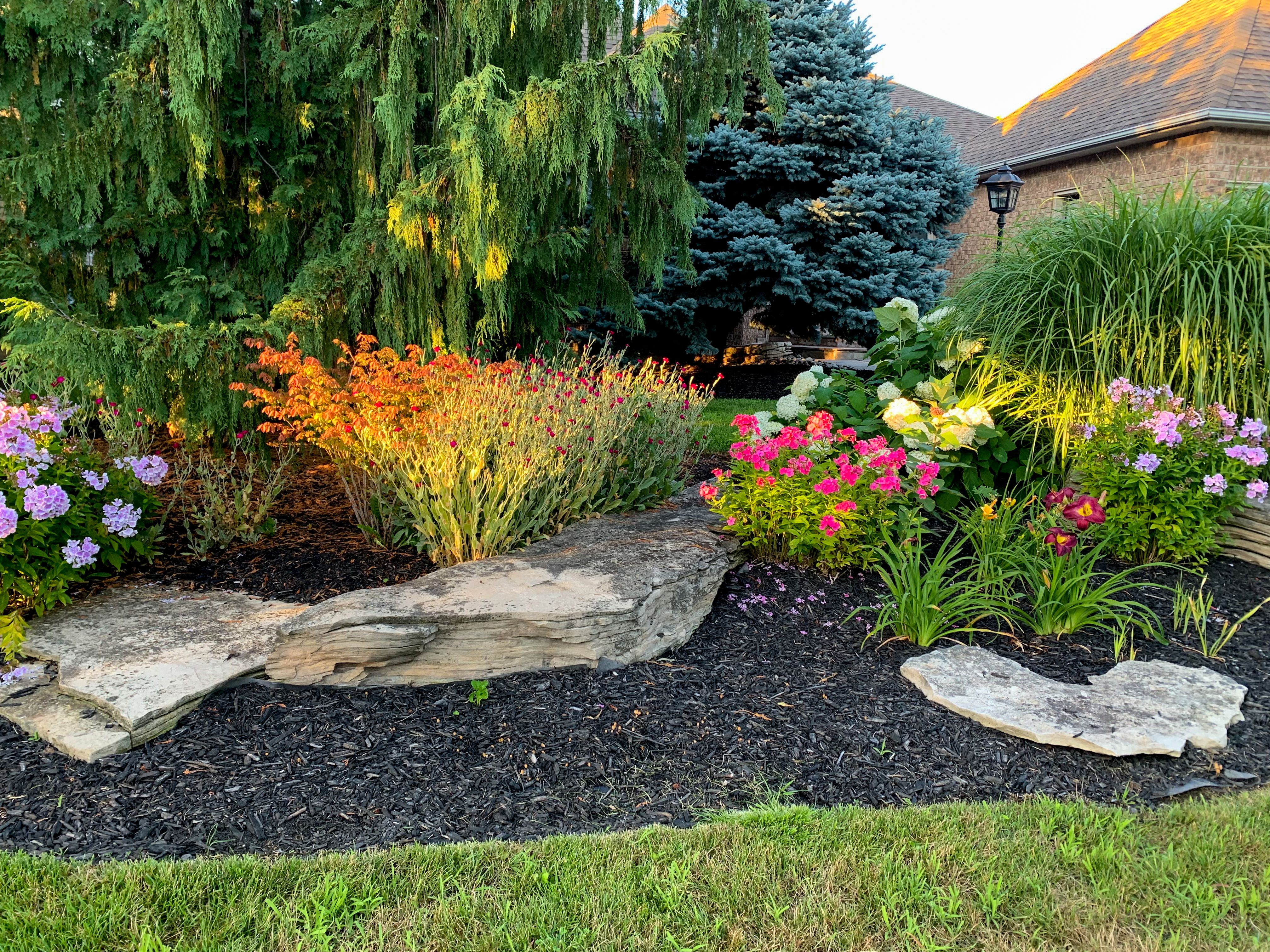
In a recent project, a suburban homeowner transformed their backyard into a lush oasis using locally sourced stone, wood, and plants. The landscape architect designed a multi-functional space that included a patio, garden beds, and a small pond, all crafted with materials found within a 50-mile radius. This approach not only reduced costs but also ensured that the design harmonized with the surrounding environment.

The Design Process
The design process began with a thorough assessment of the available local resources. The team prioritized materials that were durable, aesthetically pleasing, and suitable for the region's climate. They selected native plants that required minimal maintenance and adapted well to local conditions, creating a sustainable and low-maintenance garden.
Challenges and Solutions
While using local supplies offers many benefits, it also presents unique challenges. Availability can be limited, and the quality may vary. However, these obstacles can be overcome through careful planning and collaboration with local suppliers and experts who are familiar with the best materials for specific projects.
Overcoming Supply Limitations
In this case study, the project team worked closely with local suppliers to secure high-quality materials. They also adapted the design to accommodate any limitations in availability, demonstrating that flexibility is key when working with local resources. By leveraging strong relationships with suppliers, they ensured timely delivery and consistent quality throughout the project.

Conclusion: Embracing Local Resources
The decision to use local supplies in landscape transformations not only supports sustainability but also results in cost-effective and harmonious designs. As demonstrated in this case study, embracing local resources can lead to successful projects that enhance property value and contribute positively to the environment. For those considering a landscape renovation, exploring local options can prove to be both practical and rewarding.