Case Study: Successful Landscape Transformations Using Local Materials


Introduction to Landscape Transformations
Transforming a landscape can be a daunting task, especially when trying to balance aesthetics with sustainability and cost-effectiveness. One innovative approach gaining popularity is the use of local materials. This method not only supports local economies but also offers a more sustainable option by reducing the carbon footprint associated with transporting materials over long distances.
In this case study, we'll explore how local materials have been successfully used to create stunning landscape transformations. From residential gardens to public parks, these examples demonstrate the potential of using resources that are available close to home.

Residential Garden Makeover
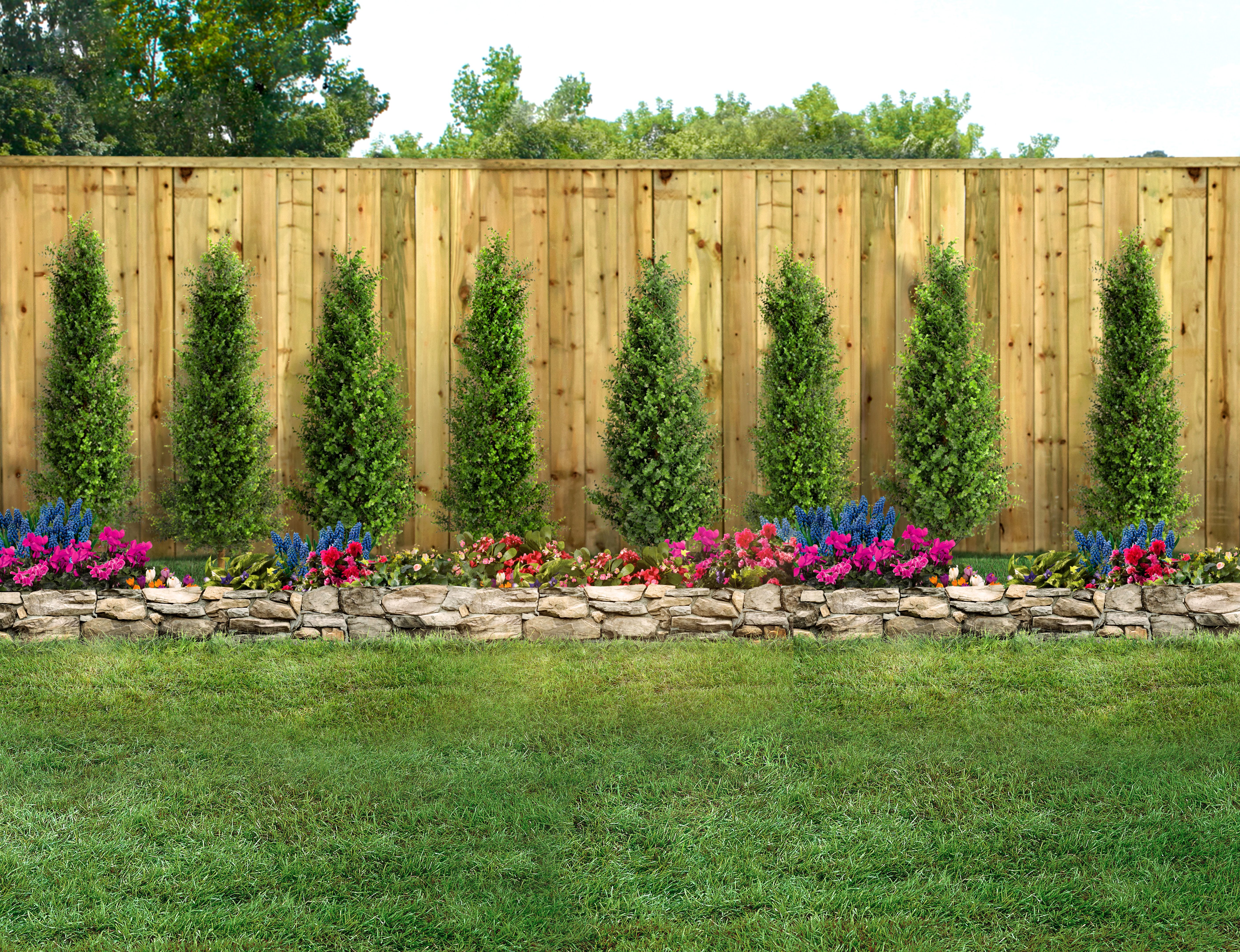
One of the most common applications of local materials is in residential garden makeovers. Homeowners are increasingly opting for stones, plants, and wood sourced from local suppliers. This approach not only reduces costs but also ensures that the materials are well-suited to the local climate and soil conditions.
A notable example involves a property in the Pacific Northwest where homeowners transformed their garden using locally sourced basalt and native plants. The result was a beautiful yet low-maintenance garden that blended seamlessly with the surrounding environment.

Benefits of Using Local Materials
- Cost Efficiency: Local materials often come without hefty shipping costs.
- Sustainability: Reducing transportation lowers carbon emissions.
- Adaptability: Materials that are native or common to an area are usually more resilient to local weather conditions.
Public Park Renovation
Public spaces can also benefit significantly from the use of local materials. A city park in the Midwest underwent a remarkable transformation using stones and plants native to the region. By sourcing these elements locally, the project not only supported local businesses but also created a park that reflected the natural beauty of its surroundings.

The renovation included walking paths made from locally quarried limestone and benches crafted from reclaimed local wood. These choices provided a cohesive aesthetic that was both inviting and environmentally friendly.
Challenges and Solutions
While using local materials offers many advantages, it can also present challenges. Availability can sometimes be limited, and specific materials may not always meet the design specifications required for certain projects. However, creative solutions such as material substitutions or design modifications can often overcome these obstacles.
In the case of the Midwest park, when certain plants were unavailable, landscape architects worked with local nurseries to find suitable alternatives that maintained the intended look and feel of the project.
The Future of Landscape Design
The growing trend of using local materials in landscape design is likely to continue as more people recognize its benefits. This approach not only supports sustainability goals but also fosters a deeper connection between people and their environment by integrating natural elements that reflect local ecosystems.
As communities increasingly prioritize green initiatives, landscape transformations using local materials offer a path forward that is both environmentally responsible and visually appealing. By showcasing successful projects, we can inspire others to consider this innovative method for their own landscapes.