Case Study: Successful Garden Makeovers Using Local Landscape Materials


The Magic of Local Landscape Materials
Transforming a garden into a breathtaking oasis doesn’t necessarily require exotic or imported materials. In fact, using local landscape materials can be both eco-friendly and cost-effective, while also adding a unique charm to your outdoor space. This case study explores how using local resources can lead to successful garden makeovers that are not only beautiful but also sustainable.

The Benefits of Local Materials
One of the most significant advantages of using local materials is their availability and affordability. By sourcing stones, plants, and wood from nearby areas, gardeners can reduce transportation costs and support local businesses. Additionally, these materials are often more suited to the local climate, ensuring that they withstand the elements and last longer.
Moreover, incorporating native plants and stones can create a seamless blend with the surrounding environment. This natural integration not only enhances the aesthetic appeal but also promotes biodiversity by attracting local wildlife such as birds and pollinators.
Case Study: A Local Garden Makeover
Let’s delve into a real-world example of a garden transformation that utilized local materials effectively. The owners of a suburban home wanted to revamp their backyard while maintaining an eco-friendly approach. They collaborated with a landscape designer who proposed the use of locally-sourced stone for pathways, native plants for greenery, and reclaimed wood for garden structures.

The project began with the installation of a winding stone pathway. The stones, quarried from a nearby site, naturally complemented the existing landscape. The choice of stones not only enhanced the aesthetic value but also ensured durability against the region's weather conditions.
Incorporating Native Plants
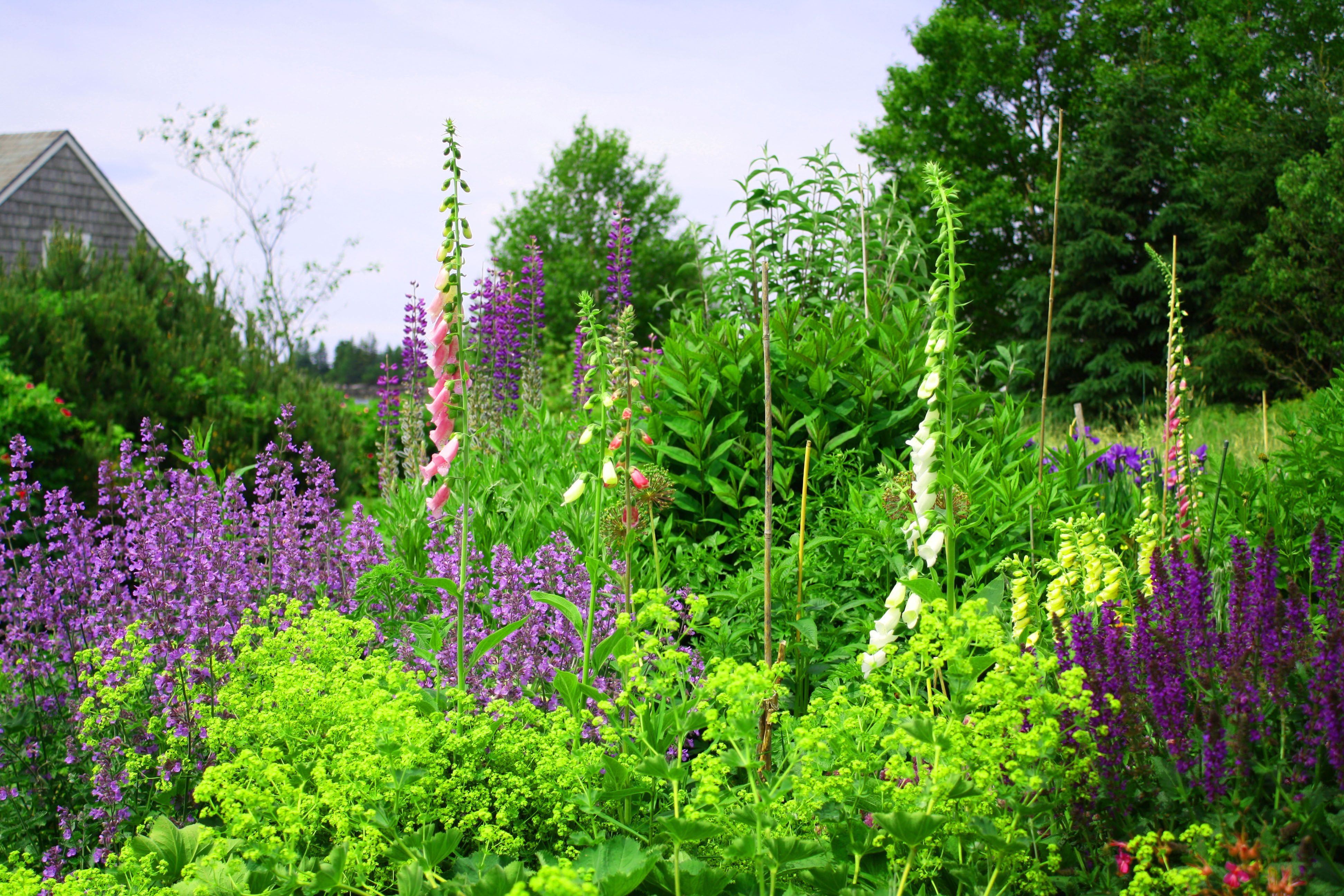
The next step involved selecting native plants that would thrive in the local climate. The landscape designer chose a variety of grasses, shrubs, and perennials that were indigenous to the area. This selection not only reduced the need for extensive watering but also created a habitat for local wildlife.
- Switchgrass for texture and movement
- Black-eyed Susans for vibrant color
- Serviceberry trees for seasonal interest
Creating Sustainable Garden Structures
To complete the transformation, reclaimed wood was used to build garden furniture and a small pergola. This choice not only aligned with the eco-friendly theme but also added rustic charm to the garden. The weathered wood blended seamlessly with the natural surroundings, providing a perfect space for relaxation and entertainment.
Ultimately, this garden makeover showcases how thoughtful design and the use of local materials can result in stunning and sustainable outdoor spaces. By embracing what is readily available in our own backyards, we can create gardens that are both beautiful and environmentally responsible.
Conclusion: A Model for Future Projects
This case study serves as an inspiring model for gardeners and landscapers looking to revamp outdoor spaces sustainably. By choosing local materials, we not only reduce our carbon footprint but also contribute to preserving the local ecosystem. The success of this project is a testament to the power of thoughtful design and resourceful planning.
As more individuals become aware of the benefits of local landscaping materials, it’s likely we will see a growing trend toward eco-friendly garden makeovers. This approach not only enhances our personal spaces but also sets a precedent for future generations to appreciate and protect their natural surroundings.