5 Innovative Uses of Construction Aggregates You Haven't Considered


Transforming Landscapes with Construction Aggregates
Construction aggregates are commonly associated with building solid foundations, roads, and concrete structures. However, these versatile materials have a variety of innovative uses that can transform any landscape. Beyond their traditional applications, aggregates are being recognized for their potential to add value and functionality to diverse projects.
From enhancing aesthetics to improving sustainability, these small but mighty materials can be leveraged in unexpected ways. Below, we explore five innovative uses of construction aggregates that you may not have considered before.

1. Sustainable Drainage Solutions
One of the lesser-known applications of construction aggregates is their use in sustainable drainage systems (SuDS). These systems are designed to manage surface water runoff in urban areas, helping to reduce the risk of flooding. Aggregates, such as gravel and crushed stone, are used in permeable pavements and infiltration trenches to allow rainwater to filter through, mimicking natural hydrological processes.
By incorporating aggregates into SuDS, developers can create environmentally friendly solutions that maintain the natural water cycle while reducing the burden on traditional drainage infrastructure.
2. Enhancing Green Roofs
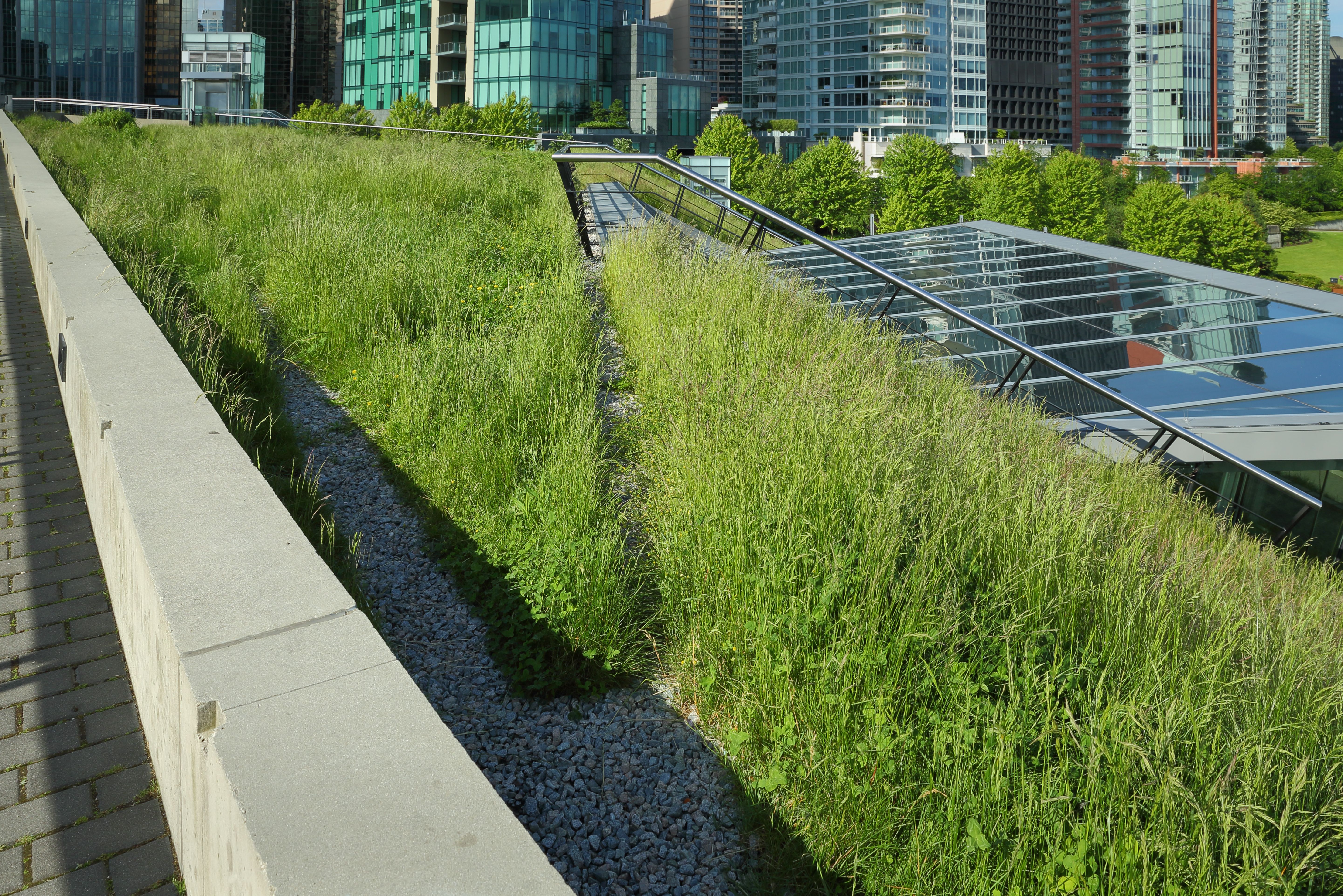
Green roofs are becoming increasingly popular in urban environments as a way to combat the heat island effect and improve air quality. Construction aggregates play a crucial role in their construction by providing a lightweight substrate layer that supports plant growth while offering excellent drainage.
Lightweight expanded clay aggregate (LECA) is an ideal choice for green roofs due to its ability to retain water and nutrients without adding excessive weight to the structure. This innovative use of aggregates not only supports sustainable building practices but also contributes to urban biodiversity.
3. Artistic and Decorative Applications
Aggregates can also be used creatively in artistic and decorative projects. Colored aggregates, such as glass beads or polished stones, are perfect for creating intricate mosaics or adding texture to public art installations. These eye-catching elements can enhance the visual appeal of public spaces, gardens, and even interior design projects.
Incorporating decorative aggregates into your design can add a unique touch and elevate the aesthetic quality of any project, making them a valuable addition to the artist's toolkit.
4. Reinforcing Erosion Control
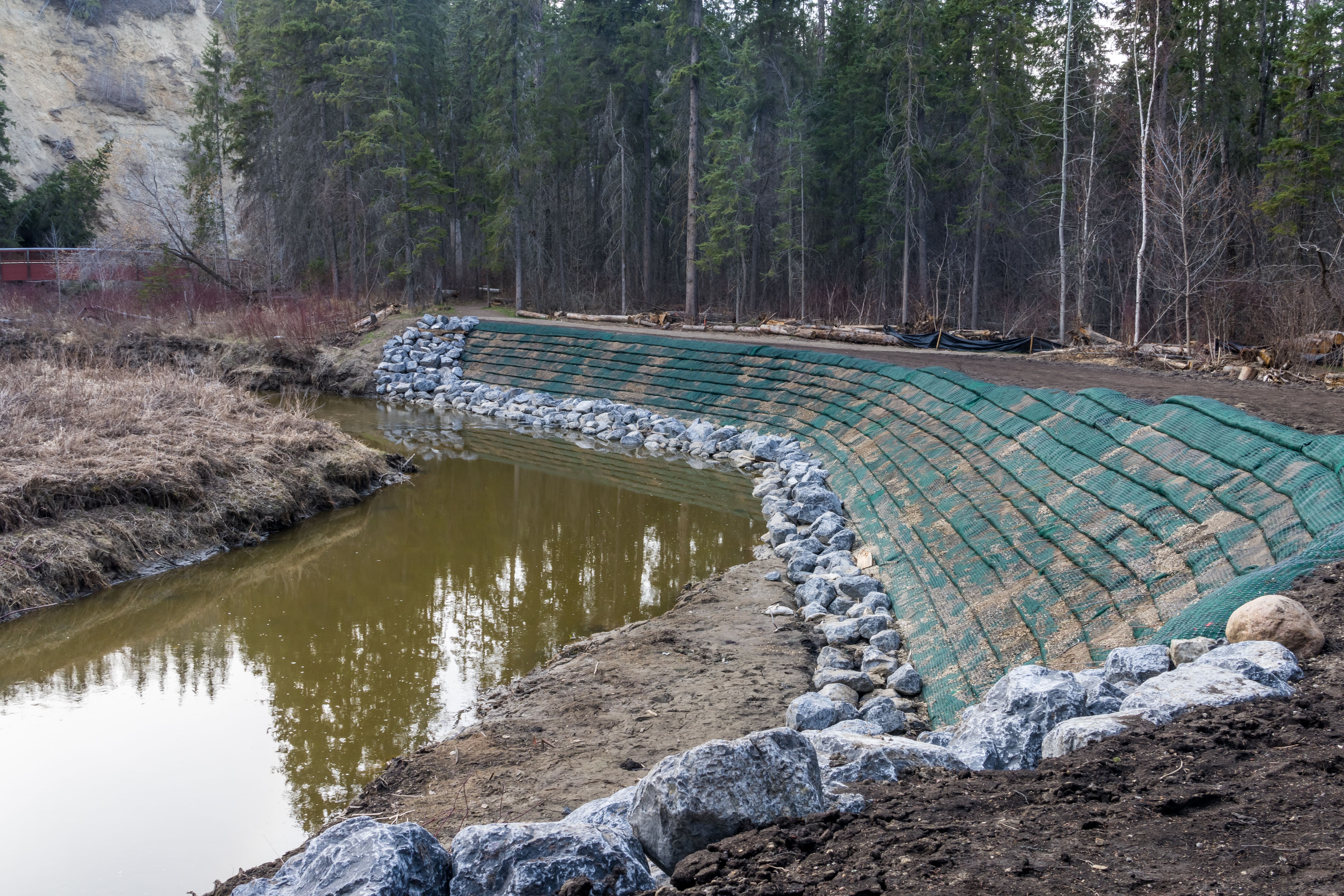
Erosion can pose significant challenges to landscapes, particularly in areas prone to heavy rainfall or steep terrain. Construction aggregates provide an effective solution for erosion control by stabilizing soil and preventing sediment loss.
- Riprap: Large stones placed along shorelines or riverbanks to absorb wave energy and reduce erosion.
- Gabions: Wire cages filled with aggregates, used to create retaining walls or embankments.
- Geotextiles: Fabrics combined with aggregates to reinforce soil and prevent erosion.
5. Improving Soil Quality
A lesser-known benefit of construction aggregates is their ability to improve soil quality. Aggregates such as perlite and vermiculite can be mixed with soil to enhance aeration, drainage, and nutrient retention. This makes them an excellent choice for horticultural applications, from small garden beds to large agricultural fields.
By improving soil structure, aggregates help create optimal growing conditions for plants, leading to healthier crops and more sustainable agricultural practices. This innovative use of construction aggregates showcases their potential beyond traditional construction projects.
In conclusion, construction aggregates are far from ordinary. Their innovative applications extend beyond roads and buildings, offering solutions that enhance sustainability, aesthetics, and functionality in various fields. Whether you're working on an urban development project or a personal garden, consider these versatile materials as a resourceful addition to your next endeavor.